Rubber is one of the most important raw materials in the modern economy. From everyday household products to large-scale industries such as automotive manufacturing, healthcare, construction, and industrial equipment production, rubber plays an indispensable role. Thanks to its elasticity, durability, and versatility, rubber has become an essential part of daily life for billions of people around the world.
Many people may not realize that rubber is present in countless products they use every day. Motorcycle and automobile tires, protective gloves, shoe soles, rubber bands, water hoses, seals, and various household appliances all rely on rubber as a key component.
Its excellent elasticity and resistance to wear help products perform safely, efficiently, and reliably over long periods of use. In particular, the transportation industry depends heavily on rubber for tire manufacturing, a critical component that directly affects vehicle safety and performance.
In the healthcare sector, rubber is widely used in the production of medical gloves, IV tubing, pharmaceutical stoppers, and various protective equipment.
Its flexibility, water resistance, and safety characteristics make rubber an ideal material for medical applications. During global health crises, demand for medical rubber products often increases significantly, highlighting the importance of this material in supporting public health systems worldwide.
Beyond everyday consumer products, rubber serves as a strategic raw material for numerous industries. Manufacturers of automobiles, electrical equipment, electronics, machinery, and construction materials all rely on rubber to produce components and technical parts.
Its ability to absorb vibration, resist abrasion, and provide electrical insulation enables rubber to meet technical requirements that many alternative materials cannot fully replace. As a result, global demand for natural rubber continues to remain strong and stable.
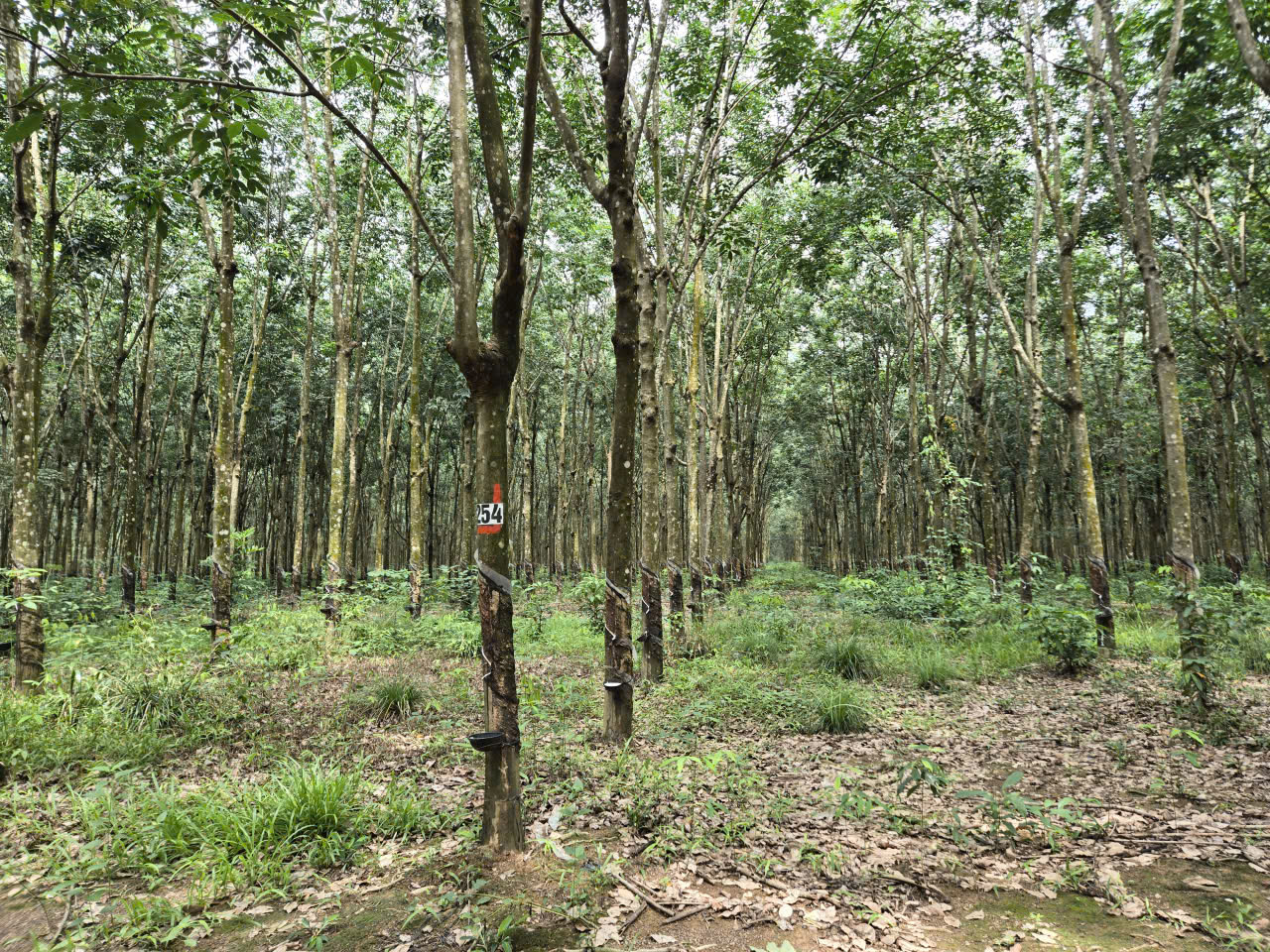
As sustainability and carbon reduction become increasingly important worldwide, natural rubber is gaining greater recognition as a renewable agricultural resource. Compared with many petroleum-based materials, natural rubber offers environmental advantages and can biodegrade under suitable conditions.
Many international companies are now prioritizing rubber sourced from sustainable plantations and responsible farming practices to meet growing consumer expectations and stricter environmental standards.
The continued growth of the automotive sector, particularly electric vehicles, along with increasing demand from industrial manufacturing and healthcare industries, is creating new opportunities for the global rubber market.
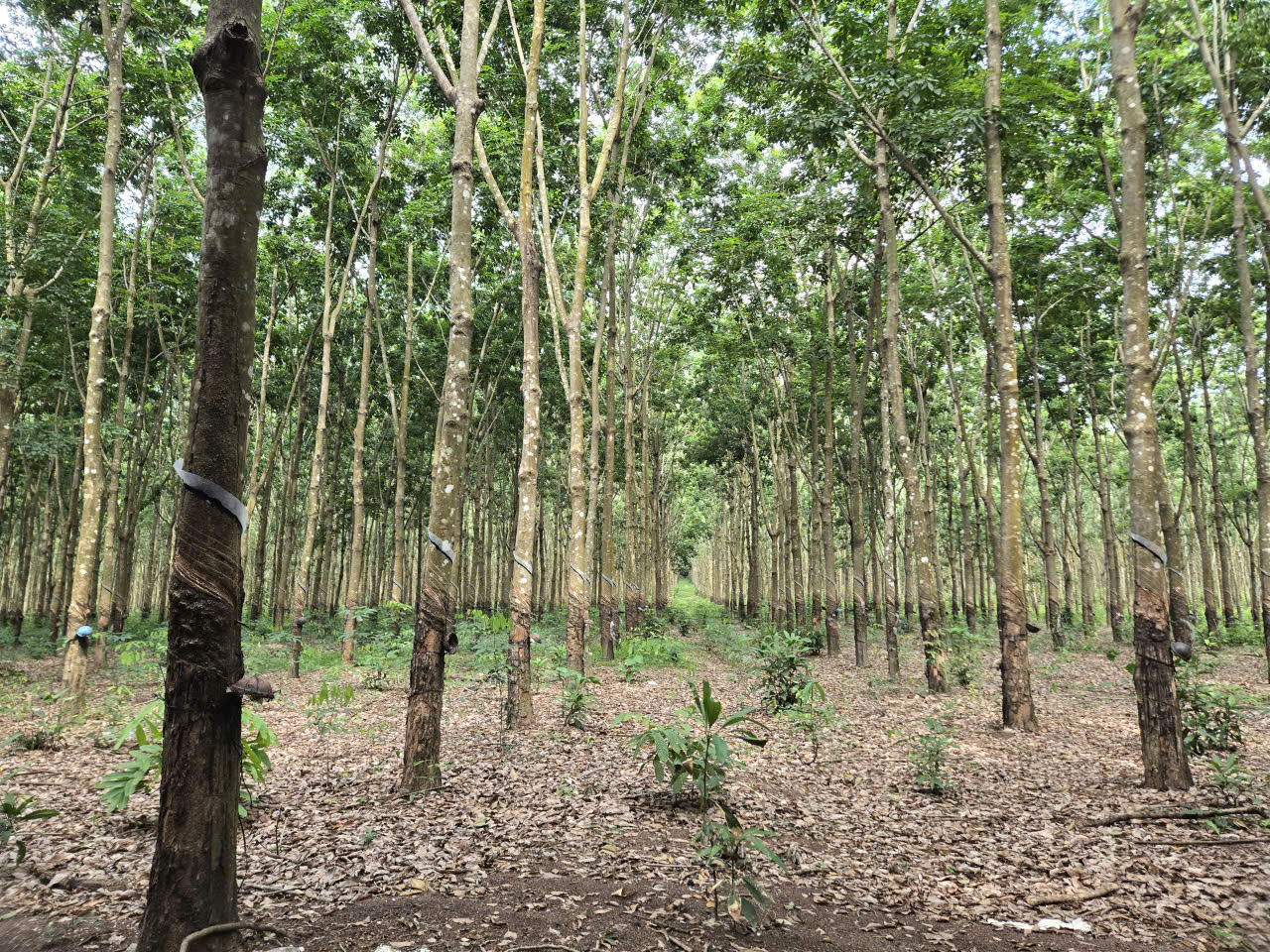
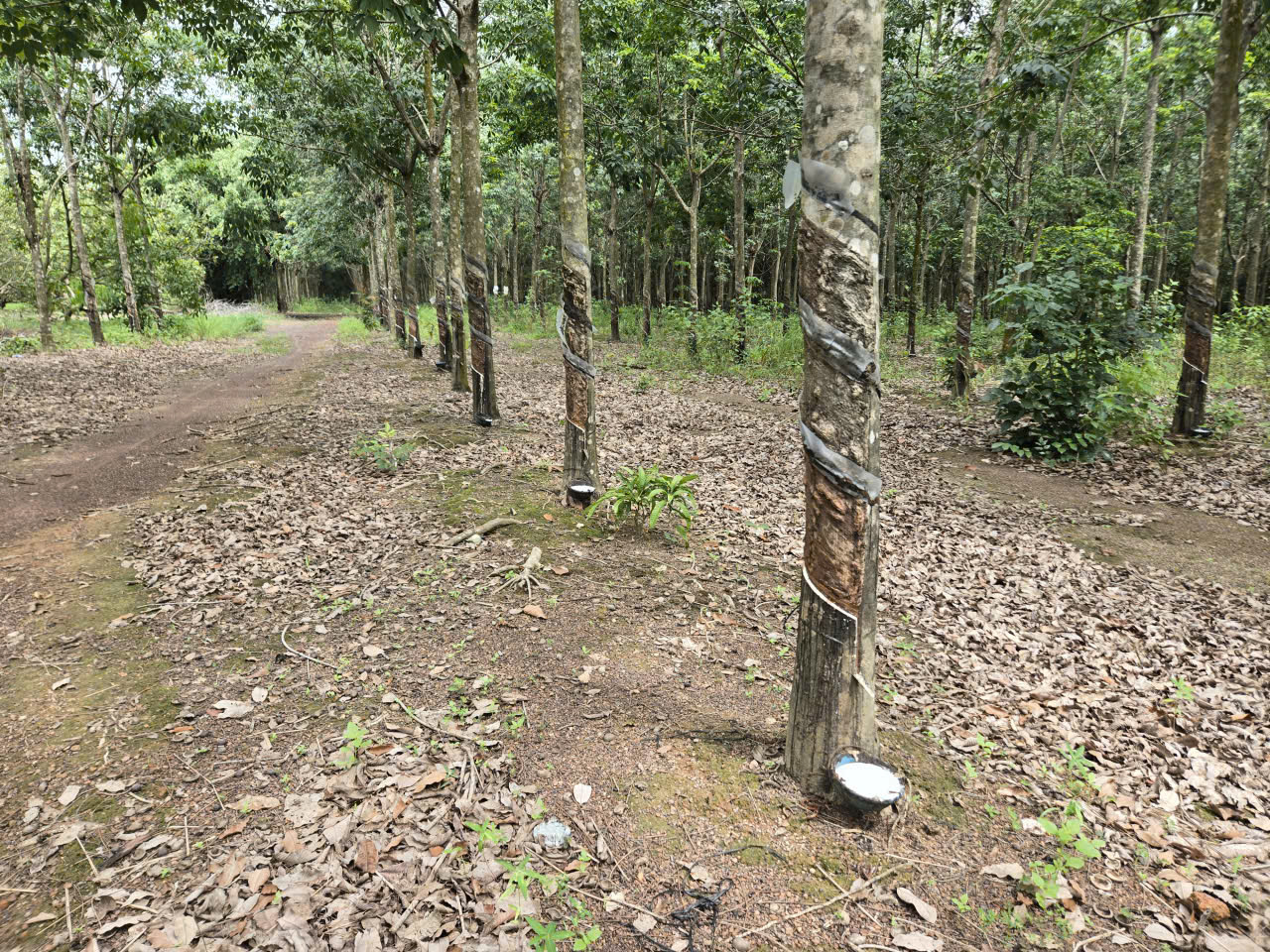
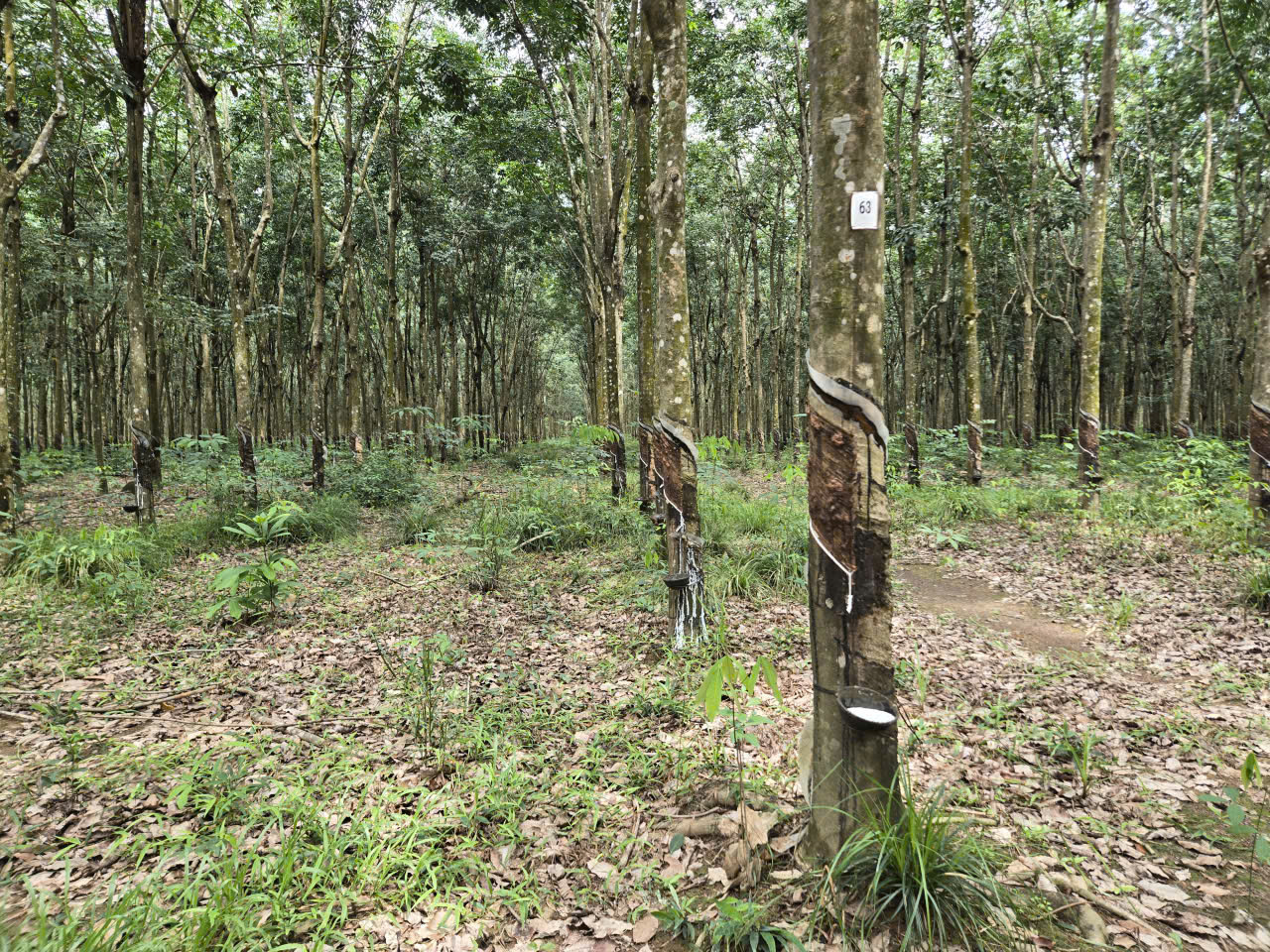
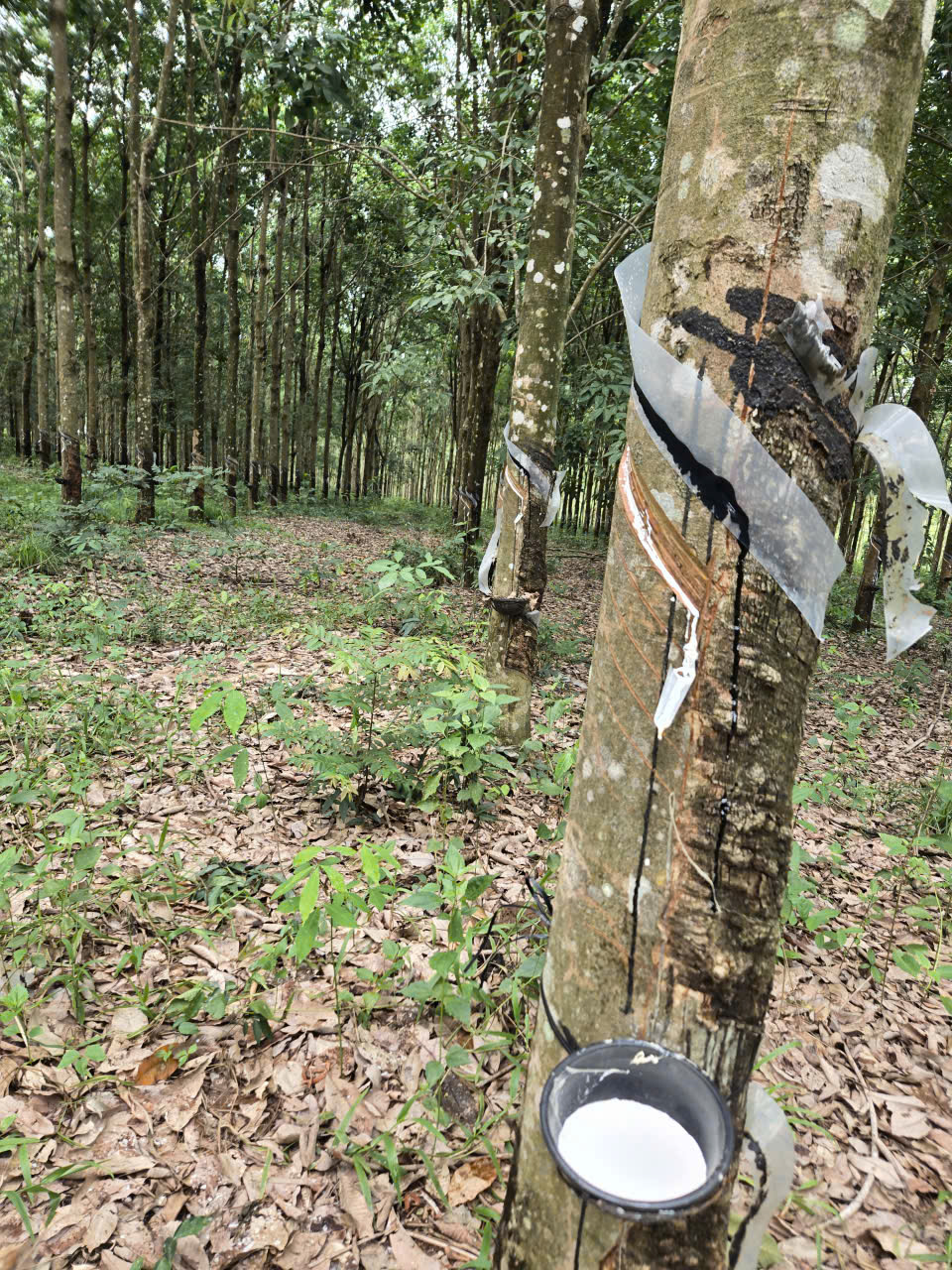
Countries with favorable climates and extensive rubber-growing regions are expected to remain key contributors to the global supply chain. For agricultural enterprises, investing in high-yield rubber varieties, modern plantation management, and sustainable cultivation practices will be essential for improving productivity and maintaining competitiveness in international markets.
Rubber is far more than just an industrial raw material. It is an essential component of modern life, supporting everything from everyday consumer goods to critical industrial applications. By contributing to economic development, technological advancement, and improved quality of life, rubber continues to play a vital role in the global economy. With stable demand and growing emphasis on sustainability, the rubber industry is expected to remain a key sector for decades to come.
 |  |
 |  |
|  |
 |  |